
By Archie Joshi
What happens when a Bengali song born from the poetic musings of Rabindranath Tagore crosses cultural borders to become a beloved folk anthem in Gujarat? How does a simple melody steeped in the imagery of monsoon rain and the joy of nature’s renewal find a new life in another language, another culture? And what makes this transformation so captivating that it has not only inspired generations of folk songs enthusiasts but also has resonated in Bollywood storytelling?
“Mor Bani Thangat Kare” is a fascinating journey of a song that bridges two distinct cultural worlds Bengal and Gujarat, east and west. Through the lens of this song’s evolution, we will explore how music and poetry are deeply rooted in the folk traditions of a place.
The Song’s Origins and Bengali Roots
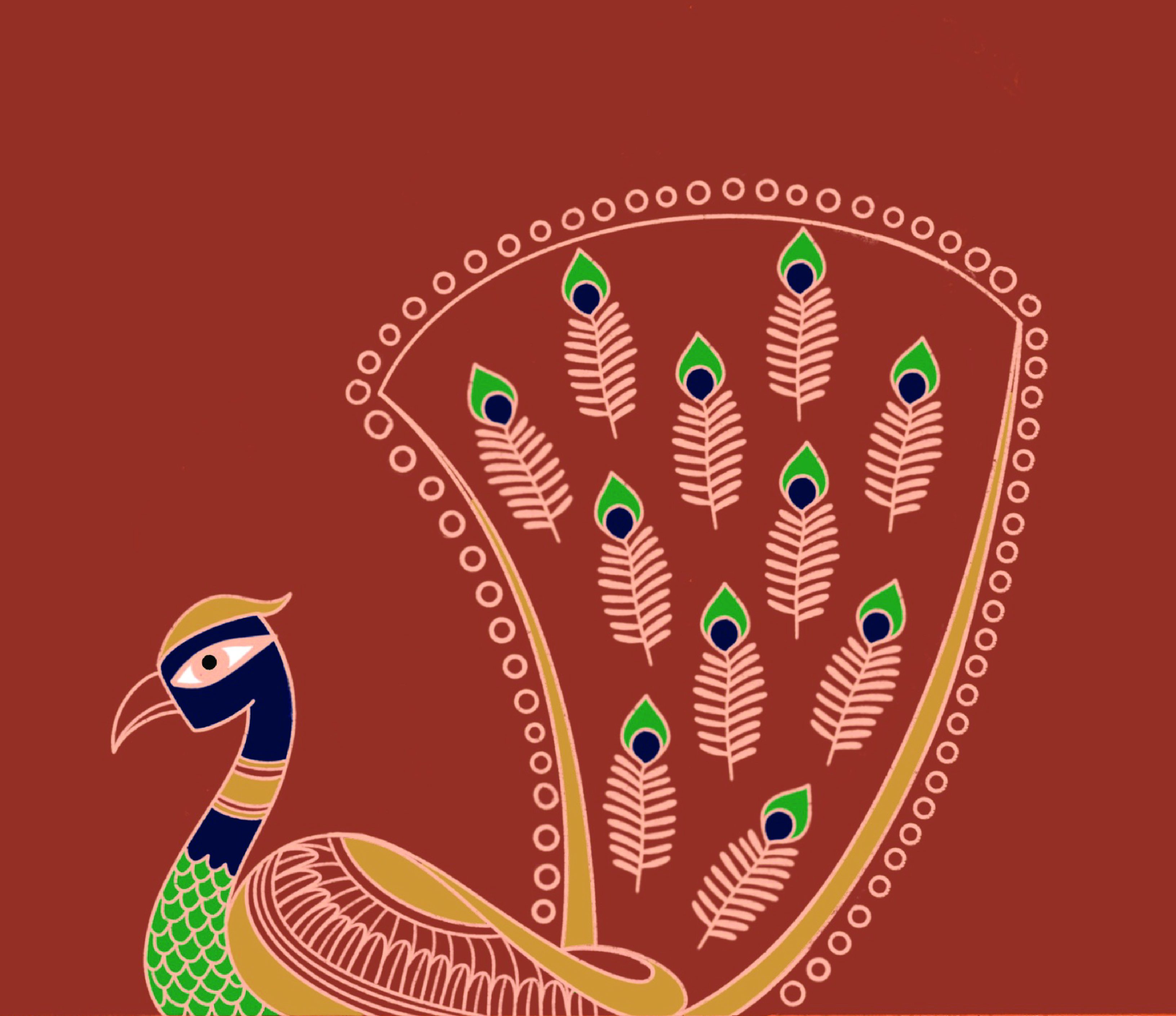
In 1900, Rabindranath Tagore composed Navavarsha while at Silaidaha, where rhythms of nature served as a muse for him. His nature poem reflects the energy and optimism of this season, where every drop of rain feels like a promise of new beginnings. Tagore beautifully captured this emotion by comparing the unrestrained happiness of the heart to the lively dance of a peacock which is a symbol of beauty and joy.
Years later, in 1944, Jhaverchand Meghani reimagined Navavarsha (i.e. New Rain) in Gujarati, giving it a new identity as Mor Bani Thanghat Kare in his anthology called Ravindra-Veena. Meghani had first heard Tagore recite the poem during a visit to his home in Kolkata in the 1920s. Deeply moved, he adapted it into Gujarati, ensuring that the song resonated with the cultural heritage of Gujarat.
Here Tagore’s representation of the monsoon transcends mere poetic expression. It delves into the profound cultural, emotional, and spiritual significance of rain in Indian life. Tagore, often referred to as the Bard of Bengal, saw the monsoon not only as a natural phenomenon but as an eternal metaphor for life’s cycles of hope and renewal.
Tagore also had a deep appreciation of Indian folk traditions, and composed the original version of this song, capturing the essence of nature’s rhythm and human emotion. His work, though written in Bengali, bore universal appeal, reflecting the shared cultural ethos of diverse Indian regions. Tagore’s works, such as “Amar Din Phuralo” and “Pagla Hawar Badol Dine”, are imbued with the rich imagery of rain-drenched landscapes, the rhythm of falling raindrops, and the emotional response they evoke.

‘Tagore often depicted rain as a lover descending upon the parched earth, symbolizing the profound union between elements. The earth, thirsty and waiting, represents the longing of the soul, while the rain signifies fulfillment and connection.’
Tagore often depicted rain as a lover descending upon the parched earth, symbolizing the profound union between elements. The earth, thirsty and waiting, represents the longing of the soul, while the rain signifies fulfillment and connection.
This interplay reflects the bond between lovers, where separation heightens yearning, and reunion brings joy and completeness. Similarly, rain bridges the divide between humans and nature, reflecting the harmony that exists when they come together. On a spiritual level, Tagore saw rain as a link between the individual soul and the universal spirit. Just as raindrops merge into rivers and ultimately the sea, he believed the soul seeks unity with the infinite.
“The rain falls on my eyes like collyrium,
It cleans them and makes them shine,
My eyes have some intoxication,
My shadows have turned green,
My soul is jumping with happiness,
Lord Krishna seems to have embraced the world,
The rain has blossomed my soul.”
This imagery speaks to the cyclical nature of life, where rain nurtures, cleanses, and renews, creating a sense of continuity and connection.
He was also deeply inspired by Baul music, a form of Bengali folk tradition, which often celebrated rain as a mystical element connecting the earthly and the divine. He incorporated this inspiration into his own compositions, creating a seamless blend of folk melodies and classical nuances. As an advocate for harmony between humans and nature, he considered rain a crucial component of India’s agrarian identity and a vital force in sustaining life.
Zaverchand Meghani: The Translator and Visionary
Zaverchand Meghani, often referred to as the “Rashtriya Shayar” (National Poet) of Gujarat, discovered Tagore’s song and recognized its potential to resonate with Gujaratis. Meghani translated and adapted the piece, enriching Gujarati folk literature with its poetic depiction of nature’s vibrancy. He was deeply influenced by the simplicity and profound wisdom embedded in the region’s folklore. Meghani was determined to preserve and popularize these cultural gems, particularly through his writings and translations. His love for folk literature is evident in his collection of Saurashtra ni Rasdhaar folklore, where he passionately worked to document and bring these tales to the forefront of Gujarati literary culture.
His translation was not merely a linguistic exercise but a cultural reinterpretation. It was set to music by Hemu Gadhavi, this adaptation transformed the Bengali essence into a Gujarati masterpiece, using regional motifs and rhythms, such as Garba.1 The beats make it relatable to local audiences. Meghani’s devotion to this folklore came from his belief that these cultural traditions could provide valuable insights into the lives of the common folk, while also showcasing the rich heritage of Gujarat.
The song’s title, “Mor Bani Thanghat Kare”, meaning ‘The Peacock Dances in Delight’, evokes a vivid image of monsoon joy that resonates deeply with the agrarian and festive spirit of Gujarat. By incorporating elements of Charan-style storytelling, Meghani ensured that the song mirrored the rhythm and emotions of Gujarati folk culture, making it accessible and beloved.
The Charans are a significant caste holding a unique position in the caste system and even in the royal courts. Charans were considered the custodians of culture and history, preserving oral traditions through poetry, songs, and storytelling. In the royal courts, Charans served as chroniclers, creating ballads that immortalized the valor and deeds of kings and warriors.
Additionally, Charans were revered for their spiritual significance. Many believed their poetic prowess was divinely inspired, associating them with blessings and curses that could impact individuals and communities profoundly. The Charans were regarded as an upper-caste community and were highly respected for their ties to royalty and spiritual significance. However, their dependence on patronage for livelihood often led to socio-economic challenges, making their position in society little complex in contemporary times.
Hemu Gadhavi’s composition complemented Meghani’s translation by crafting a melody that blended Tagore’s original elegance with the lively energy of Gujarati folk music. Meghani’s adaptation of Navavarsha into Mor Bani Thanghat Kare was not just a creative endeavor but also a cultural statement. By translating Tagore’s Bengali poem into Gujarati, Meghani demonstrated the unity in diversity that defines Indian culture. He underscored the idea that art, though rooted in specific regions, carries universal emotions that can transcend linguistic and cultural boundaries.
Here’s a direct translation in english done by Tagore himself,
“My heart dances, like a peacock on a rainy day,
Spreads it’s plumes tinged with rapturous colors of thoughts,
and in its ecstasy seeks some vision in the sky-
With a longing for one whom it doesn’t know.
My heart dances.”
Impact of Gujarati Folk Traditions
Mor Bani Thangat Kare is often performed during festive occasions and cultural celebrations. The Dairas2*, or social gatherings predominant in the Saurashtra region of Gujarat witnessed the enduring popularity of folk music. It has a special place in the cultural traditions of Gujarat, particularly in the oral and performance arts.
The timeless appeal of “Mor Bani Thanghat Kare” extended far beyond Gujarat with its adaptation into Bollywood, most notably in Sanjay Leela Bhansali’s film Goliyon Ki Raasleela Ram-Leela (2013). Featuring a modern orchestration and intricate choreography, the song retained its folk roots while appealing to contemporary audiences. The song prominently featured the rhythmic patterns of dandiya raas3, a traditional folk dance of Gujarat, characterized by the use of sticks and synchronized group movements.
Musically, the rendition preserved the essence of Gujarati folk through the vocal performance by Osman Mir, a renowned folk singer, whose voice resonated with the authenticity of the original composition. The arrangement combined classical instruments like the harmonium and tabla with modern orchestration. Bhansali’s rendition paid homage to Meghani’s version, preserving the song’s traditional spirit while showcasing it on a national and international stage. The Bollywood adaptation played a pivotal role in introducing the song to non-Gujarati audiences, who were captivated by its lyrical beauty and festive energy. This brought Gujarat’s monsoon folklore into mainstream Indian cinema, highlighting the richness of its cultural heritage.
Why Does This Journey Matters?
The journey of “Mor Bani Thanghat Kare” is a testament to the unifying power of art and its ability to transcend cultural and linguistic boundaries. Originating from the poetic brilliance of Rabindranath Tagore and adapted into the Gujarati folk tradition by Zaverchand Meghani, the song exemplifies how art evolves through collaboration, translation, and reinterpretation. Through Meghani’s translation and Hemu Gadhavi’s musical composition, “Mor Bani Thanghat Kare” retained the essence of its Bengali roots while embracing the rhythmic soul of Gujarati folk culture. It is also made accessible and relatable to a new audience, ensuring its longevity and relevance across generations.
Furthermore, the story of this song underscores the role of translation in safeguarding cultural artifacts. It highlights how art, when adapted with sensitivity and creativity, can resonate with diverse audiences while honoring its origins. The Bollywood adaptation in Goliyon Ki Raasleela Ram-Leela added yet another layer to this song, introducing it to a global audience and emphasizing its universal appeal. The journey of “Mor Bani Thanghat Kare”, from its Bengali origins in Navavarsha to its reinvention in Gujarati and later adaptation into Bollywood, speaks to the enduring power of cultural exchange. Each version of this song, whether sung in a folk gathering or staged in a cinematic setting, continues to resonate with the human spirit of celebrating nature’s rhythms and the universal experience of rebirth.
BIO: Archie Joshi is a passionate literature student from PDEU, Gandhinagar, with a deep love for culture, stories, and the rich tapestry of human experience. Whether analyzing literary texts or immersing herself in folklore and traditions, she thrives on the diverse perspectives that literature and culture provide.
References:
- Guha, S. (2020). Echoing Tagore’s love for the monsoons. Asian-European Music Research Journal, 6, 101–104. https://doi.org/10.30819/aemr.6-8
- The Daily Star. (2017, June 16). Tagore and rainy days. The Daily Star. https://www.thedailystar.net/literature/tagore-and-rainy-days-1418140
- Wisdom Library. (n.d.). Folk tales of Gujarat. Retrieved December 7, 2024, from https://www.wisdomlib.org/history/essay/folk-tales-of-gujarat/d/doc826691.htm
- Meghani, J. (2013). Satya Ni Shodhma. Ahmedabad: Rajesh Book Sellers. (Original work published 1932).
- Mor Bani Thanghat Kare Lyrics and Meaning. (n.d.). Sonic Hits. Retrieved December 7, 2024, from https://sonichits.com
- Jhaverchand Meghani: A Poet for All. (n.d.). Live History India. Retrieved December 7, 2024, from https://www.peepultree.world/livehistoryindia/story/people/jhaverchand-meghani-a-poet-for-all
- Garba- It is a Gujarati folk dance that is performed in a circle, typically during the Hindu festival of Navratri.The word “garba” comes from the Sanskrit word garbha, which means “womb” and symbolizes the cycle of life ↩︎
- Dairas– These gatherings are essentially poetic or musical assemblies where poets, storytellers, and musicians come together to perform in front of an engaged audience during festive occasions, weddings, or other communal events.
↩︎ - Dandiya raas – a type of traditional Gujarati dance in which pairs of dancers hold a short stick in each hand and strike one another’s sticks in time to the music.
↩︎