
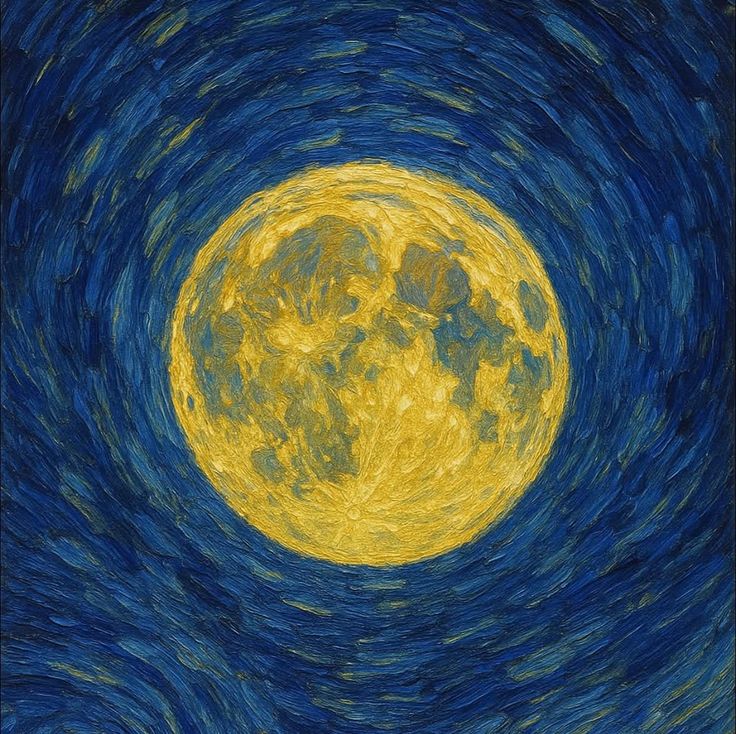
Long ago, in the serene village of Chandhara, near Pampore, Kashmir, where saffron flowers swayed gently in the cool breeze and the Jhelum River whispered through the valleys, a girl named Zoon was born. The name meant “moon”, and true to it, she shone with lunar beauty and had a voice that could melt the coldest of hearts. But her fate, as it is with many who shine too brightly, was not free of shadows.
Zoon was no ordinary village girl. She had a mind as sharp as her words, a voice as soft as silk, and an unshakable love for poetry. She would sing by the banks of Jhelum, her songs drifting across the fields, filled with longing, sorrow, and dreams that seemed too big for her simple surroundings.
But her first taste of life was bitter. Young and obedient, she was married off to a local peasant, Aziz Lone, an unkind, illiterate man who neither understood her words nor cared for her spirit. He scorned her poetry, mocked her singing, and tried to silence the fire in her soul. Zoon’s life became a cage. Her sorrow seeped into her songs, and she often sang of death as a release from suffering. One of her verses, “Tche Kyoho Vaatiyo Myaeni Marnai”—“What do you stand to gain by my death?”- was not just poetry; it was a cry for freedom. Fate, however, was still turning her pages.
One spring afternoon, Zoon sat beneath a majestic chinar tree, singing to the open space above her. Her voice carried across the air, catching the attention of a nobleman on horseback, Yusuf Shah Chak, the crown prince of Kashmir. He followed the sound and found her there, lost in her frenzy, unaware of the world around her.
Yusuf Shah was captivated, not just by her beauty, but by her voice, her sadness, her fire. It was said that in that moment, something ancient stirred between them, like two souls that had been waiting to find each other.
He sought her out again and again. Soon, he had her marriage annulled, and in 1570, Zoon became not just a beloved muse but his queen. With her new name, Habba Khatoon, meaning “Lady Khatoon”, she stepped into the royal court, a poetess crowned in love.
Their life together was brief but beautiful. The couple roamed the meadows of Gulmarg and the glacial streams of Sonamarg. Yusuf Shah would often pause to listen as Habba Khatoon composed verses about love, separation, and the shifting seasons. She popularised a lyrical form of Kashmiri poetry that was intimate, emotional, and deeply personal. Her words, sung in the lilting rhythm of Kashmiri, reached every corner of the valley. But joy, as it often does in stories of old, was fleeting.
In 1586, the Mughal Emperor Akbar, eager to bring Kashmir under his dominion, invited Yusuf Shah to Delhi with promises of friendship. Trusting the gesture, Yusuf went, but he was betrayed, arrested, and exiled to a land far away. He never returned to his beloved Habba or to Kashmir. His loss shattered the queen’s world.
Habba Khatoon, now alone and heartbroken, refused the comforts of the palace. She left her courtly life behind and wandered the forests and banks of the Jhelum River, singing to the mountains, to the skies, and to Yusuf’s memory. Her songs became poems of longing, of betrayal, of love that lingers even when the beloved is gone.
She sang:
“Wolo Myaeni Poshay Madano”
“Come, my flowery Cupid…”
The people of Kashmir heard her and wept with her. Her sorrow became their sorrow. Her verses carried the soul of the valley itself, its beauty, its melancholy, and its endless waiting.
Habba Khatoon passed away in 1604; her body was laid to rest near Athwajan in Srinagar. But her voice, they say, still echoes in the chinars and the depths of the Jhelum. Her poetry is still sung today, reminding Kashmiris of a queen who was not just royalty, but a woman of passion and unmatched lyrical power. She was the moon who never stopped singing. The queen who became a legend. The Nightingale of Kashmir.
A Folktale from Kashmir sourced by Burhan Sharief in the field.
Click here to submit your Folklore.